 ChatGPT
 Claude
 Gemini
Choosing a website framework is often treated like a technical task, but it’s really a business decision. The platform you choose affects how your site performs, how easy it is to manage, and how well it can adapt as your business grows.
Many businesses run into trouble not because a platform is “bad,” but because it doesn’t match their real needs. Picking what’s popular or cheap usually leads to compromises later. WordPress, Next.js, and Shopify are all solid options, but only when used in the right context.
This guide explains when each platform actually makes sense, based on how businesses use their websites in the real world.
Why Understanding Your Website’s Purpose Comes Before the Platform?
Before comparing tools, it’s important to understand what your website is supposed to do.
Some businesses need a content engine that drives organic traffic. Others need speed and flexibility for custom features. Some only care about selling products efficiently. These are very different goals, and no single platform handles all of them equally well.
A few questions worth asking upfront:
Is the site mainly focused on content or sales?
Will non-technical teams manage updates?
Is performance a competitive advantage for your business?
Do you expect the site to grow in complexity over time?
Clear answers here make platform selection much easier.
Why WordPress Works Well for Content-Driven Business Websites?
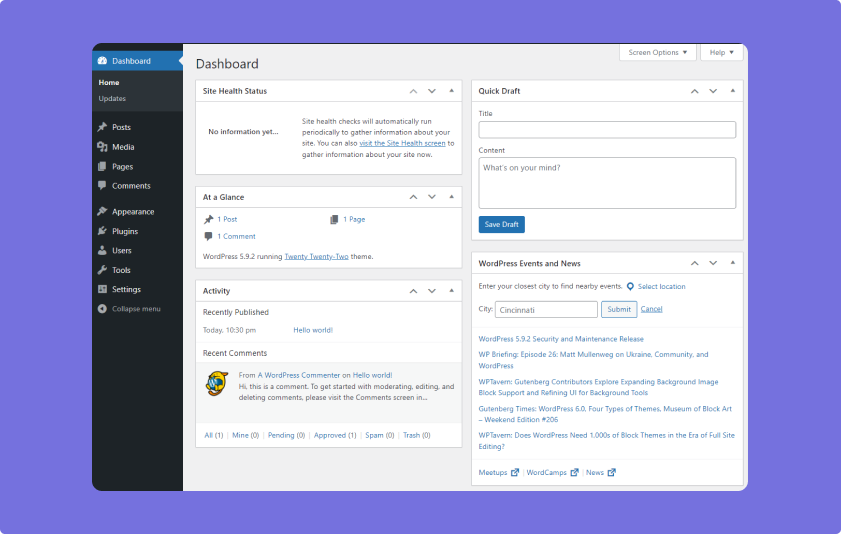
WordPress remains a strong choice for businesses that rely heavily on content and organic visibility. It’s flexible, widely supported, and easy for teams to manage without technical help.
WordPress is a good fit when:
Blogging and content marketing are important
SEO plays a major role in lead generation
Multiple team members need to update content
The site includes landing pages, case studies, or resources
For many businesses, WordPress offers a practical balance between control and ease of use. You can move quickly, publish consistently, and adjust the site as strategies change.
Problems usually arise when WordPress sites depend on too many plugins or are built without performance in mind. That’s why businesses focused on content-driven business websites built with WordPress often choose custom setups instead of pre-made themes.
Why Next.js Is Better for Performance-Focused and Scalable Websites?
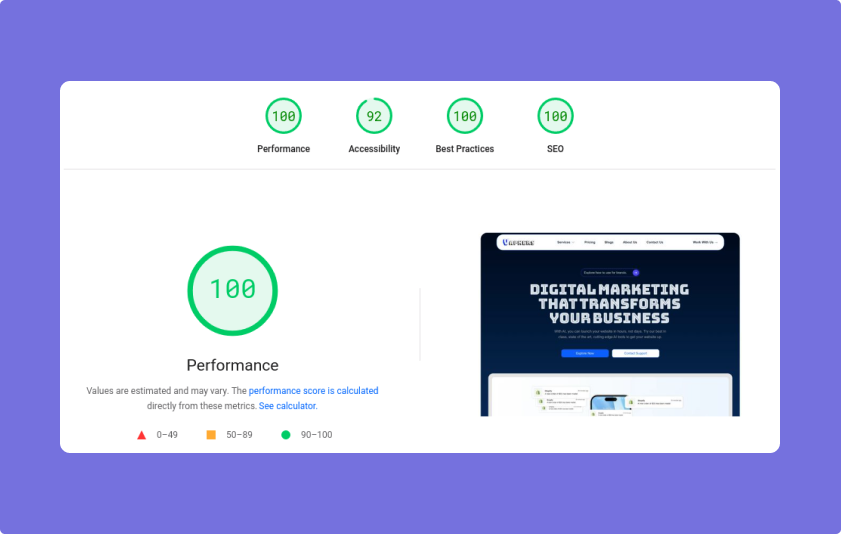
Next.js is designed for businesses that care deeply about speed, performance, and long-term scalability. Unlike traditional CMS platforms, it allows developers to build custom experiences without unnecessary overhead.
Next.js makes sense when:
Page speed and Core Web Vitals matter
The site needs custom features or integrations
Traffic is expected to grow significantly
SEO and performance need to work together
Many businesses move to Next.js when they outgrow simpler setups or when performance becomes a bottleneck. It’s common in SaaS marketing sites, custom dashboards, and high-traffic web applications.
The trade-off is that Next.js requires a more structured development process. Content updates and changes are usually handled by developers or through connected CMS tools. This approach works well for businesses that value control and performance over convenience.
That’s why performance-focused websites built with Next.js are often chosen by companies planning for scale rather than short-term simplicity.
Why Shopify Is the Right Choice for Ecommerce-First Businesses?
Shopify is built specifically for selling products, and it shows. For ecommerce-focused businesses, it removes much of the technical complexity involved in running an online store.
Shopify is a strong choice when:
Selling products is the main goal
You need built-in payments and inventory management
Fast setup is more important than deep customization
You want hosting, security, and updates handled for you
For many businesses, Shopify allows them to focus on operations instead of infrastructure. Product management, checkout, and compliance are handled by the platform, reducing technical overhead.
However, Shopify isn’t ideal for content-heavy or highly customized websites. While it can be extended, it’s still an ecommerce-first system at its core.
This is why businesses focused on ecommerce websites designed around Shopify often use it as a dedicated sales platform rather than a full content hub.
Common Platform Selection Mistakes That Cause Problems Later
A common mistake is choosing a platform based on what another business used, without understanding the context.
Some examples include:
Using WordPress for complex ecommerce operations
Choosing Shopify for SEO-heavy content strategies
Overengineering with Next.js for simple informational sites
Another mistake is assuming that switching platforms later is easy. Migrations usually involve content restructuring, SEO risks, and development costs. Choosing the right foundation early avoids these issues.
How to Choose a Platform Based on Long-Term Business Needs?
Instead of asking which platform is “best,” it’s more useful to think about alignment.
Businesses centered around content and SEO usually benefit from WordPress.
Businesses that need speed, flexibility, and scalability often prefer Next.js.
Businesses where ecommerce drives revenue are usually better off with Shopify.
Each platform solves a different problem. The right choice is the one that supports how your business actually operates, not the one that’s trending.
At Vaphers, we don’t start projects by pushing a specific platform. We start by understanding what the business actually needs from its website, traffic, performance, conversions, scalability, or all of the above.
Some projects make more sense on WordPress because content and SEO are the priority. Others need the speed and flexibility that comes with a Next.js setup. And for ecommerce-focused businesses, Shopify is often the most practical choice. The platform comes second; the business goal comes first.
About the Author: Muhammad Asad
Digital marketing strategist, SEO consultant, and technology writer contributing insights on search engine optimization, full-stack web development, and digital brand acceleration.