 ChatGPT
 Claude
 Gemini
Every webmaster, developer, and digital marketer knows that a robust link-building strategy is the backbone of organic search visibility. When auditing a website’s backlink profile or launching outreach campaigns, you immediately encounter a technical crossroad: understanding the mechanics of how search engines crawl, index, and value different types of hyperlinks. Search engines rely on links as fundamental signals of trust, relevance, and authority.
However, not all links are created equal. The conversation inevitably turns to the attribute tags attached to those links in the HTML code. Grasping the nuances of your link profile and the specific code tags that dictate search engine behavior is non-negotiable for scaling organic traffic.
Follow vs Nofollow Links: Understanding the Core Differences
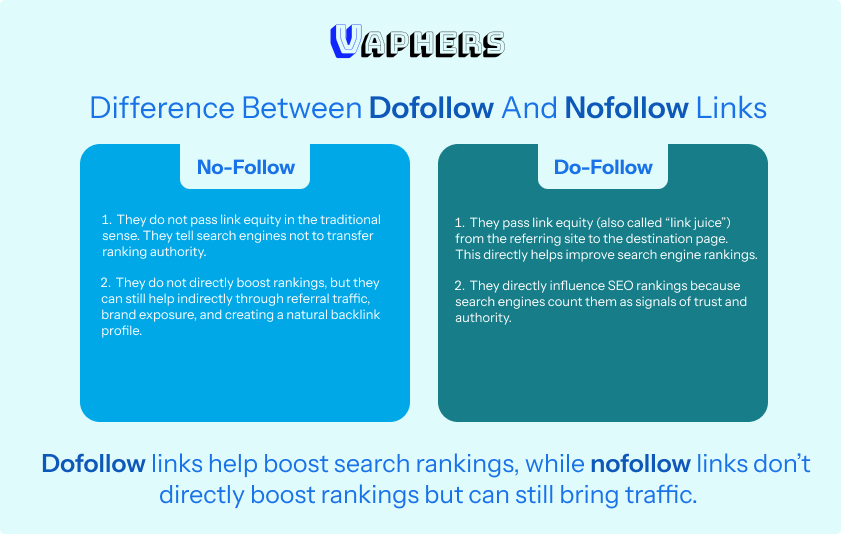
To build an effective off-page SEO strategy, you first need to understand the fundamental differences in the follow vs nofollow links debate. At a structural level, both types of links look completely identical to the average website visitor. They are clickable pieces of text or images directing a user from one webpage to another. The divergence happens entirely in the source code and how search engine spiders, like Googlebot, interpret that specific code.
A "follow" link (often referred to as a dofollow link, though "dofollow" isn't a real HTML attribute) is the default state of a hyperlink. When a high-authority website links to your page without restrictive tags, it acts as a digital vote of confidence. Search engines follow this path, passing "link juice" or PageRank from the referring domain directly to your site. This direct transfer of authority is exactly why understanding backlinks impact on seo is critical for anyone trying to dominate the search engine results pages (SERPs).
Conversely, a nofollow link contains a specific snippet of HTML code that explicitly instructs search engines not to pass authority to the linked webpage. Originally introduced to combat blog comment spam, this tag tells the crawler, "I am linking to this page for user convenience, but I don't necessarily endorse it, and I do not want my site's authority transferred to it."
Scale Faster and Smarter with Vaphers
From visibility to conversions, Vaphers builds high-performance digital systems designed to attract, convert, and scale your revenue consistently.
Do Nofollow Links Help SEO and Overall Rankings?
Because the nofollow attribute explicitly stops the standard flow of PageRank, the most common question site owners ask is: do nofollow links help seo? Historically, the SEO community viewed nofollow links as entirely useless for link-building campaigns. Because they didn't pass direct algorithmic equity, the assumption was that they provided zero value. However, the search landscape has evolved significantly.
So, do nofollow links help rankings in today's search ecosystem? The short answer is yes, but they do so indirectly and as an algorithmic "hint." In late 2019, Google announced a massive shift in how its system treats the nofollow attribute. Instead of an absolute, ironclad directive to drop the link from its ranking calculations, Google began treating nofollow tags as hints. In certain contextual cases, Google might choose to crawl the link and use it to understand the context of the destination page.
But beyond the algorithm, does nofollow links help seo through other practical avenues? Absolutely. Here is how they contribute to a winning organic strategy:
Referral Traffic and Brand Awareness: A nofollow link on a massive publication or an industry-leading forum puts your brand in front of highly targeted readers. If users click that link and engage with your website, that referral traffic is incredibly valuable. High engagement rates and lower bounce rates send positive user experience signals to search engines.
Link Profile Naturalization: A backlink profile consisting exclusively of high-authority, exact-match follow links looks highly suspicious to search engine algorithms. It triggers spam filters. Nofollow links are a natural byproduct of a healthy presence on the web. Social media profiles, blog comments, and forum signatures typically generate nofollow links.
The Secondary Domino Effect: A well-placed nofollow link frequently leads to subsequent follow links. If a prominent blogger discovers your original research via a nofollow link on a social platform, they might subsequently reference your data on their own blog, providing a powerful, natural follow link in the process.
How to Make a Link Nofollow in HTML and Modern Frameworks?
There will be times when you need to link to an external source without passing your hard-earned domain authority, such as when linking to unverified sources, paid advertisements, or user-generated content. Knowing how to make a nofollow link is a fundamental technical SEO skill.
In raw HTML, a standard hyperlink looks like this: <a href="https://www.example.com">Anchor Text</a>
To transform this into a nofollow link, you simply add the rel="nofollow" attribute inside the anchor tag:
<a href="https://www.example.com" rel="nofollow">Anchor Text</a>If you are building custom front-ends using modern JavaScript frameworks, the implementation is nearly identical in JSX. You simply pass the rel="nofollow" prop to your anchor tags or custom Link components.
For those managing content through CMS platforms, you often don't need to touch the source code directly. Most modern text editors have an intuitive link settings interface. When you highlight text and insert a URL, a toggle or checkbox will typically appear asking if you want to "Add rel=nofollow to link."
How to Check for Nofollow Links on Any Webpage?
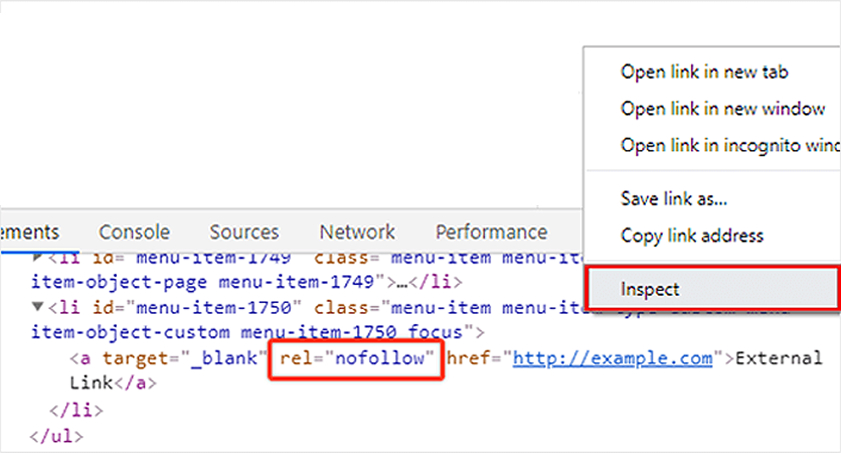
If you are auditing a competitor's backlink profile or verifying that a publisher linked to you correctly, you need to know how to identify these tags in the wild. Here are the most reliable ways to check if a link is nofollow:
Method 1: Using Chrome Developer Tools (Manual Inspection)
Navigate to the webpage containing the link you want to check.
Right-click directly on the anchor text or linked image.
Select "Inspect" from the drop-down menu.
The Chrome DevTools panel will open, highlighting the specific HTML code for that link.
Look inside the
<a href...>tag. If you seerel="nofollow"(orrel="sponsored" / rel="ugc"), The link is not passing standard SEO equity. If therelattribute is missing entirely, it is a standard follow link.
Method 2: Using Browser Extensions (Automated) If you do this frequently, manual inspection gets tedious. You can install free Chrome extensions like "Strike Out Nofollow Links" or "Detailed SEO Extension." Once activated, these tools will automatically highlight or put a strike-through line across any nofollow link on the page you are viewing, allowing you to audit a site's linking strategy at a glance.
Integrating Link Attributes into Your Off-Page Strategy
Understanding the technical mechanics of link attributes is only half the battle. The real challenge is executing a sustained campaign that acquires the right mix of referring domains. While you should never reject a high-traffic nofollow link, your primary outreach efforts and budget should target high-quality, editorial follow links.
To execute this effectively, you need a systemic approach to content creation and digital PR. Creating highly linkable assets, such as original industry research, comprehensive long-form guides, or interactive web tools, naturally attracts both types of links from diverse sources. If you are struggling to build momentum or aren't sure where to begin your outreach efforts, exploring comprehensive strategies on how to get backlinks will provide the blueprint needed to scale your domain authority safely. Focus on building relationships within your niche over chasing raw metrics.
Hear What It's Like to Work With Vaphers!
"They handle most of the online stuffs related to our business either it be designing or marketing or paid ads and other things and I have always received results I was expecting."
"Amelia Bronze - Custom shoes store"
FAQs about Nofollow Links
What is the difference between nofollow, sponsored, and UGC tags?
All three restrict the flow of standard PageRank, but they provide different contexts to Google. rel="nofollow" is the general catch-all for untrusted or unendorsed links. rel="sponsored" should be used specifically for paid placements, advertisements, and affiliate links. rel="ugc" is designed for User-Generated Content, such as blog comments and forum posts.
Are Nofollow links entirely ignored by Google?
No. Prior to 2019, Google treated nofollow tags as strict directives to ignore the link. Today, Google treats them as "hints." While they still generally do not pass PageRank, Google may use them for crawling and indexing purposes to better understand the context of the linked page.
Should I use nofollow tags on all my internal links?
Generally, no. You want search engine crawlers to freely flow through your website to discover and index all your important pages. Using nofollow tags on internal links disrupts this flow and isolates your own content. Reserve nofollow tags for external links you don't explicitly endorse or for paid placements.
Get Started with SEO and Link Building for Your Business Today
Investing in a customized SEO strategy is a great way for you to start boosting your website's visibility in search results. You’ll capture high-intent organic searches and drive more qualified traffic directly to your site.
If you need help getting started with technical and off-page SEO, Vaphers is here to help. With our specialized digital marketing approach, we can help you track and measure your domain authority growth to ensure you’re getting the maximum return on your investment.
We’ll help you develop an SEO campaign that drives real results. We have a proven track record of maximizing organic reach and driving consistent, high-value leads for our clients.
Ready to scale your online presence? Contact today to get started online with a free consultation, or call us at +91 964 186 1932 to speak with a strategist about our SEO and link-building management services!
About the Author: Muhammad Asad
Digital marketing strategist, SEO consultant, and technology writer contributing insights on search engine optimization, full-stack web development, and digital brand acceleration.