 ChatGPT
 Claude
 Gemini
The Changing Dynamics of Search Engine Traffic
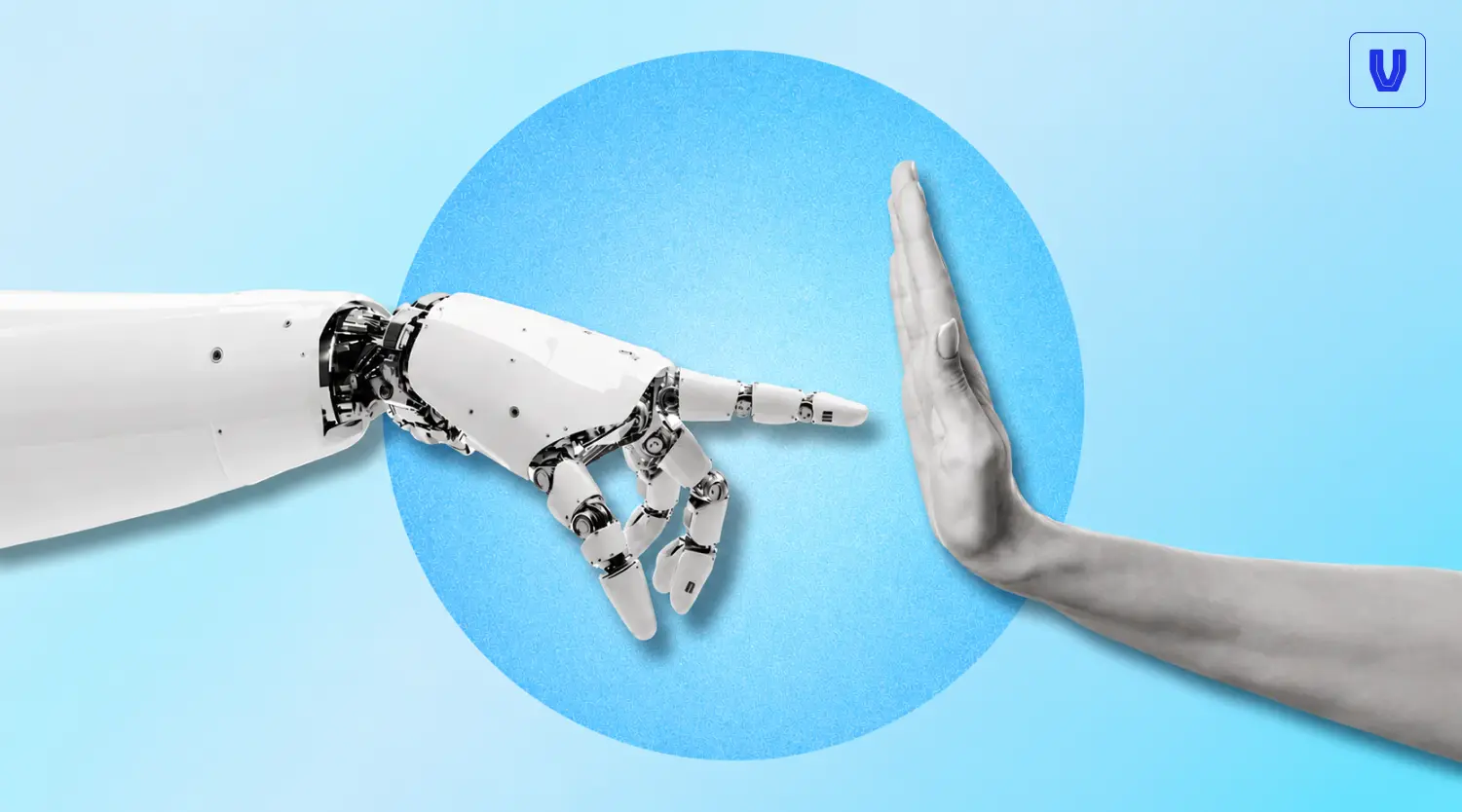
As conversational interfaces and automated summaries become a staple at the top of results pages, business owners are deeply concerned about the future. The most common question echoing through digital marketing departments is will traditional organic search traffic drop because of ai. The simple answer is yes, total raw traffic volumes for certain types of queries will decrease. However, the complete picture is much more nuanced. Rather than an apocalyptic drop in all web traffic, we are witnessing a massive shift in how and when users decide to click on a website link.
Will SEO be dead in 5 years?
No, SEO will not be dead. It is evolving into a more technical and intent-driven discipline where providing unique value is the only way to rank.
Generative models are exceptionally good at answering simple, factual questions. If a user asks for the boiling point of water or the capital of a state, an automated overview will provide the answer instantly. In these cases, the user has zero incentive to click through to a blog post. If your website historically relied on scraping simple definitions to generate ad revenue, your traffic will likely plummet. If you want to know the people behind the strategies fixing this, read about us and our methodology.
The Shift from Quantity to Quality
While top-of-funnel, low-effort informational traffic is declining, highly qualified traffic remains robust. When a user has a complex problem, needs deep expert analysis, or is preparing to make a significant financial purchase, a brief automated summary is never enough. They require trusted, authoritative sources to validate their decisions. Therefore, websites that provide deep, original insights and complex problem solving will continue to capture highly lucrative clicks.
This shift forces marketers to re-evaluate their key performance indicators. Instead of celebrating thousands of empty clicks that bounce after three seconds, businesses must focus on capturing high-intent users who are actually likely to convert. Traffic volume may drop, but the conversion rate of the remaining traffic can actually increase if you optimize correctly. This is the core principle behind user intent optimization ai search engines, which ensures you target the queries that matter.
| Query Type | Example Search | Expected Traffic Impact |
|---|---|---|
| Simple Factual | What time is sunset? | Severe Drop (Zero-Click) |
| Complex Informational | How to fix a leaking copper pipe? | Moderate Drop (Some Click-Throughs) |
| Transactional/Commercial | Best emergency plumbers near me | Stable to High (Requires Human Choice) |
Future-Proofing Your Digital Strategy
To survive and thrive in this new ecosystem, brands must stop producing commodity content. You must inject unique brand perspectives, proprietary data, and real world experience into every page you publish. Furthermore, you must ensure your site is technically flawless so that when algorithms do cite your work, users have a seamless experience upon clicking through.
It is also crucial to remember the lessons learned from recent algorithm shifts. As detailed in our breakdown of is ai content good for seo, search engines are aggressively purging low-quality, automated spam. By focusing purely on delivering exceptional human value and targeting deep commercial intent, your organic search presence will not only survive the rise of artificial intelligence, but it will become a more efficient driver of revenue than ever before.
About the Author: Muhammad Asad
Digital marketing strategist, SEO consultant, and technology writer contributing insights on search engine optimization, full-stack web development, and digital brand acceleration.